

Lavender, with its dreamy purple blooms and calming scent, is more than just a pretty plant in your garden.
Native to the Mediterranean, Middle East, and India, lavender has been cherished for over 2,500 years. Ancient Egyptians used it in mummification, while Romans bathed in lavender-infused water to relax and purify their skin. Today, it’s grown globally, especially in France, which is famous for its sprawling lavender fields and essential oil production.
In the kitchen, lavender brings a floral, slightly sweet flavor that pairs beautifully with both savory and sweet dishes. It’s a staple in the French herb blend ‘Herbes de Provence’, and chefs will find it adds a unique twist to roasted meats, vegetables, cocktails, coffee, and teas. Bakers use dried lavender buds in cookies, cakes, and syrups. Just a pinch can elevate most dishes; however, too much and you might feel like you’re eating perfume!
Lavender’s medicinal uses are just as impressive as its culinary ones. Internally, it’s known for its calming effects on the nervous system. Lavender tea or tinctures can help reduce anxiety, improve sleep, and ease digestive issues like bloating and nausea. It’s also been studied for its potential to reduce headaches and mild pain, thanks to its anti-inflammatory and analgesic properties.
Topically, lavender is a skin savior. Its essential oil is a go-to for soothing burns, insect bites, and minor wounds due to its antimicrobial and anti-inflammatory effects. It’s also a popular ingredient in skincare products aimed at calming acne, eczema, and irritated skin. The scent alone can trigger relaxation, making it a favorite in aromatherapy and massage oils.
Whether you’re sipping it in tea, sprinkling it on shortbread, or dabbing it on a sunburn, lavender is a versatile botanical that bridges the gap between beauty, wellness, and flavor. Its gentle yet powerful properties make it a must-have in any herbalist’s or chef’s toolkit.
Lavender Stats
Beneficial Compounds
| Compound | Benefit (internal) | Benefit (external) | Solubility |
|---|---|---|---|
| Linalool |
Reduces anxiety, promotes relaxation, mild sedative
|
Antimicrobial, anti-inflammatory, soothes skin
|
Oil-soluble
|
|
Linalyl acetate
|
Calming, supports nervous system, mild analgesic
|
Anti-inflammatory, skin-soothing
|
Oil-soluble
|
|
Camphor
|
Stimulates circulation, mild pain relief
|
Antiseptic, cooling effect, reduces itching
|
Oil-soluble
|
|
Cineole (Eucalyptol)
|
Clears respiratory tract, antimicrobial
|
Antiseptic, reduces inflammation
|
Oil-soluble
|
|
Tannin
|
Astringent, supports digestion
|
Tightens skin, reduces irritation
|
Water-soluble
|
|
Coumarin
|
Mild blood thinner, supports circulation
|
Fragrance component, may reduce inflammation
|
Oil-soluble
|
|
Flavonoids
|
Antioxidant, supports immune function
|
Protects skin from oxidative stress
|
Water-soluble
|
Key Benefits Summary:
- Anti-Inflammatory – Calms redness, acne, and conditions like rosacea.
- Hair Growth Support – Improves scalp health, reduces breakage, and may thicken hair.
- Antimicrobial – Fights fungal infections (e.g., dandruff, ringworm).
- Calming – calms the nervous system, reduces anxiety, and relaxes the mind.
- Improves Circulation – may thin the blood and stimulate circulation.
Lavender Handicrafts
Please view our handicrafts with lavender.
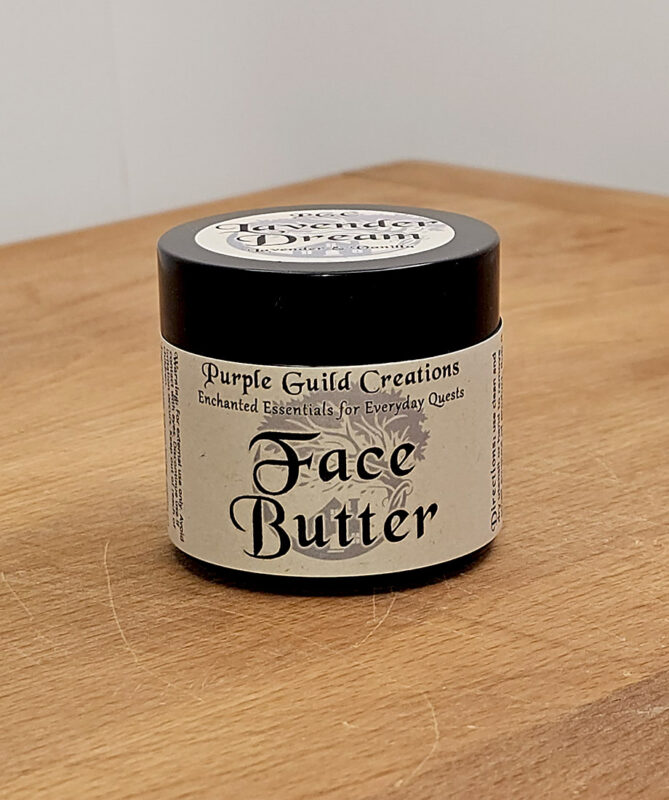
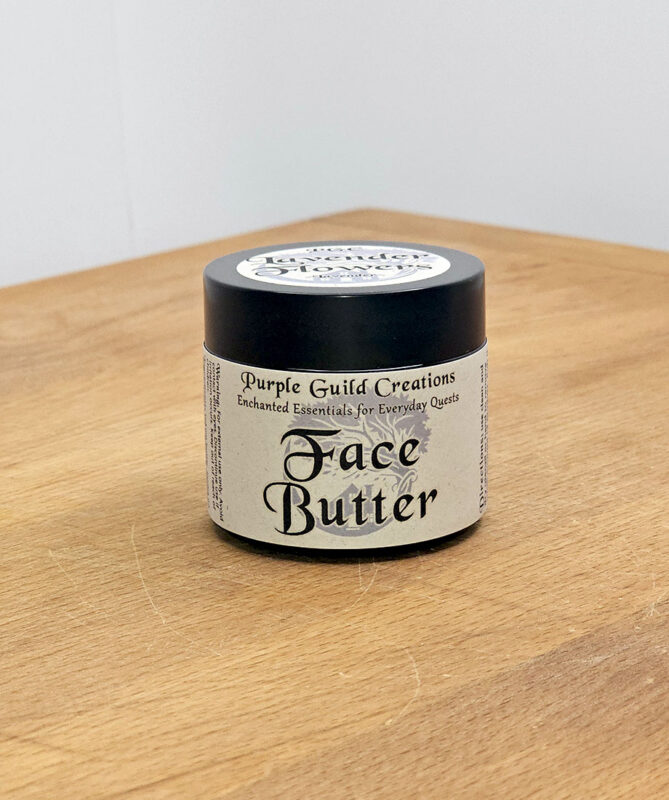
Lavender Dream Face Butter
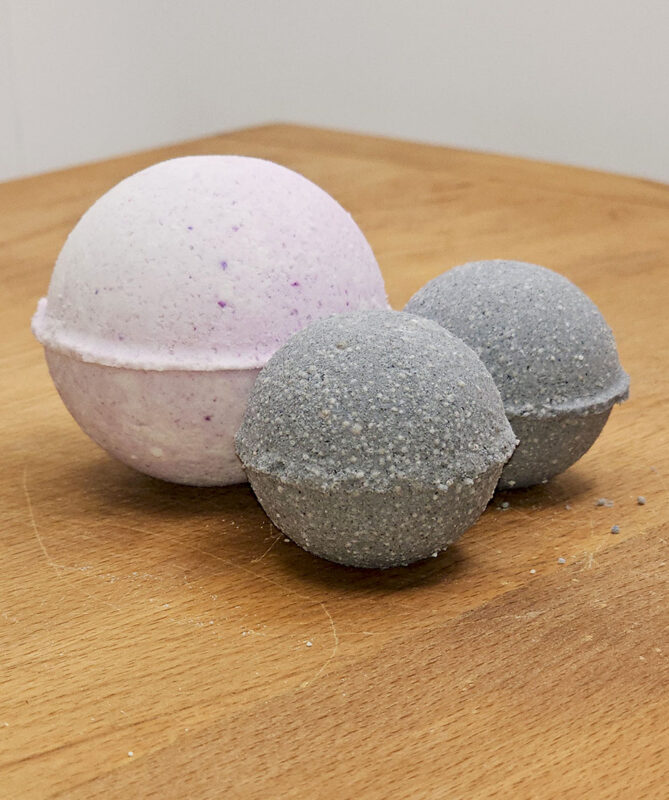
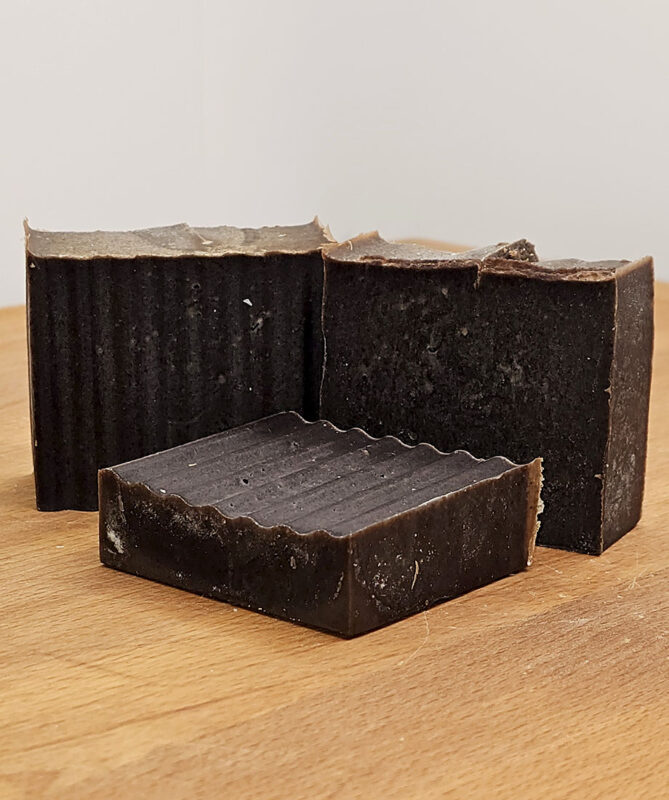
Moonlight Lullaby Body Soap AC
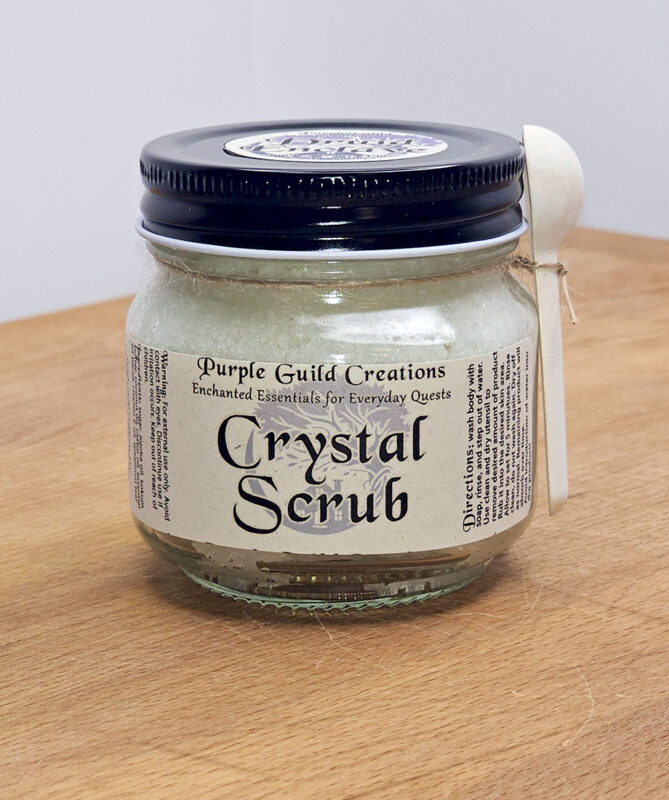

Leave a Reply
You must be logged in to post a comment.