
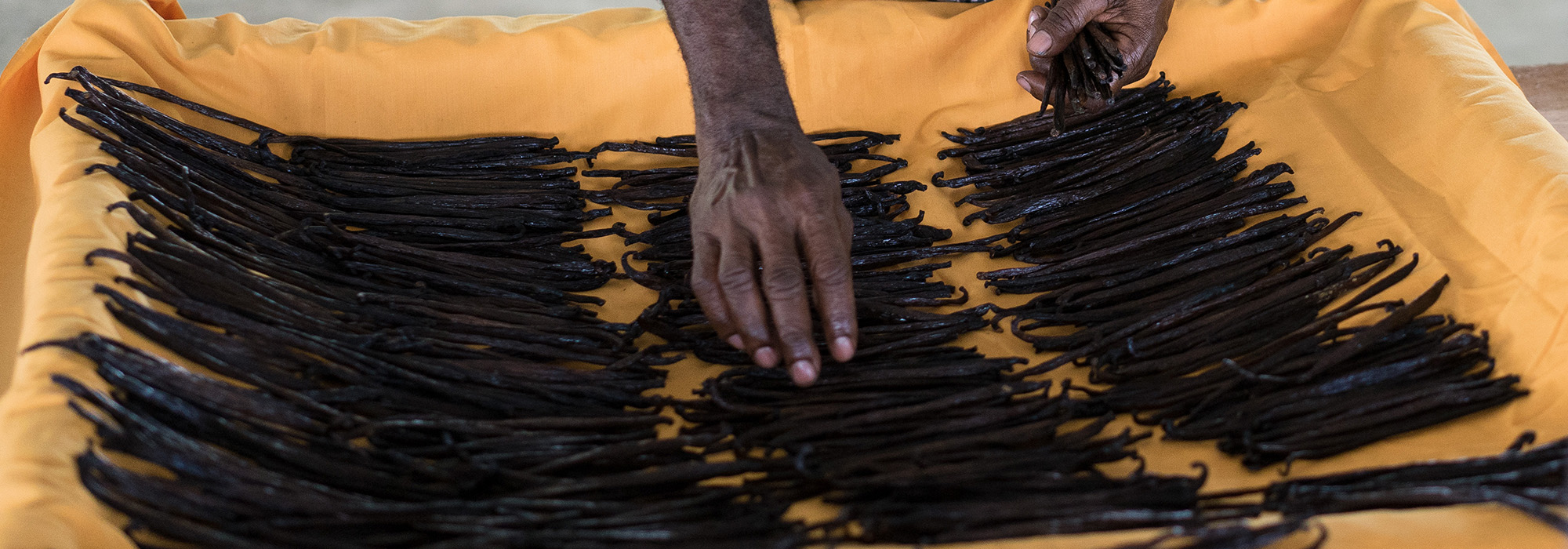
Vanilla beans are more than just a flavoring, they’re a botanical treasure with a rich cultural history and a wide range of uses.
Vanilla beans are the seed pods of the Vanilla planifolia orchid, a tropical climbing plant native to Mexico and Central America. It’s believed the ancient Totonac people were the first to cultivate vanilla and was later adopted by the Aztecs; who used it to flavor their cacao-based drinks. In the current age, Madagascar, Indonesia, and Uganda are among the top producers of this spice, which is prized for its rich, complex flavor and intoxicating aroma.
Chef’s love these magical vanilla beans. The tiny black seeds inside the pods are scraped out and used to infuse everything from custards and cakes to ice cream and cocktails. The whole pod can also be simmered in liquids to extract its flavor during cooking. Extracts are also made from the whole beans. Unlike synthetic vanilla extracts, extracts using real vanilla beans offer a deep, nuanced taste with floral, spicy, and creamy notes that elevate both sweet and savory dishes.
Beyond the kitchen, vanilla has a long history of medicinal use. Internally, it’s known for its calming properties and has been used to reduce anxiety, improve mood, and even support digestion. Vanilla-infused teas, extracts, and tinctures can help soothe an upset stomach and promote relaxation. Some scholars suggest that the scent of vanilla may also help reduce sugar cravings and support weight management.
Topically, vanilla is a gentle yet powerful ingredient. Its antioxidant properties help protect the skin from environmental stressors and premature aging. Vanilla also has antibacterial qualities, making it useful in soothing irritated skin conditions such as acne, eczema, rashes, rosacea, etc. Its sweet scent is a favorite for infusing in oils for skincare solutions; offering both aroma-therapeutic and skin-nourishing benefits.
Whether you’re baking a sweet dessert or crafting a calming body oil, vanilla brings warmth, depth, and a touch of luxury to everything it touches.
Vanilla Stats
Beneficial Compounds
| Compound | Benefit (internal) | Benefit (external) | Solubility |
|---|---|---|---|
| Vanillin |
Antioxidant, mood enhancer, supports digestion
|
Antioxidant, soothes skin, reduces inflammation
|
Alcohol-soluble
|
|
Eugenol
|
Mild analgesic, antimicrobial, supports oral health
|
Antiseptic, reduces skin irritation
|
Oil-soluble
|
|
Coumarin
|
Supports circulation, mild sedative
|
Fragrance component, anti-inflammatory
|
Oil-soluble
|
|
P-Hydroxybenzaldehyde
|
Antioxidant, antimicrobial
|
Antioxidant, helps preserve skin health
|
Alcohol-soluble
|
|
Tannin
|
Astringent, supports digestion
|
Tightens skin, reduces inflammation
|
Water-soluble
|
Key Benefits Summary:
- Anti-Inflammatory – Calms redness, acne, and conditions like rosacea.
- Antimicrobial – Fights fungal infections (e.g., dandruff, ringworm).
- Calming – calms the nervous system, reduces anxiety, and relaxes the mind.
- Improves Circulation – may thin the blood and stimulate circulation.
Vanilla Handicrafts
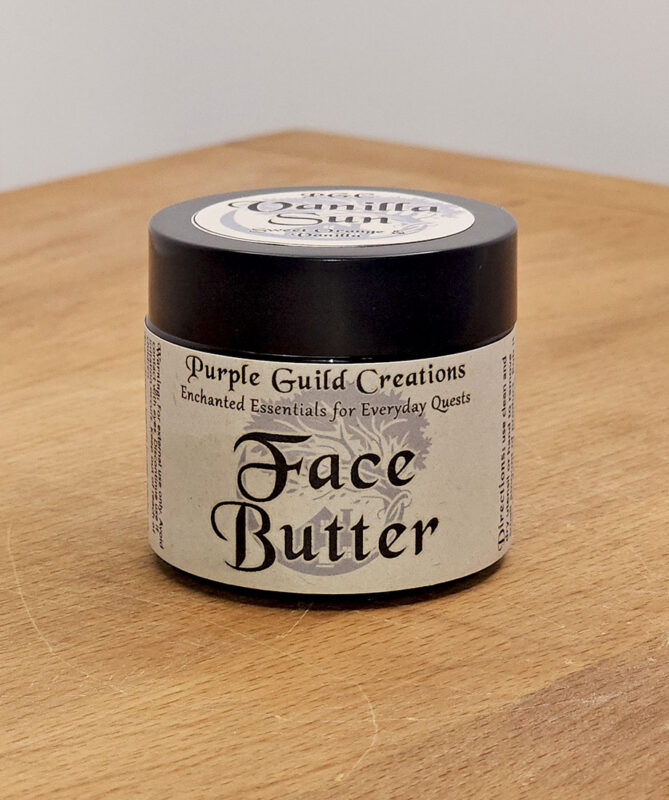
Please view our handicrafts that include vanilla.
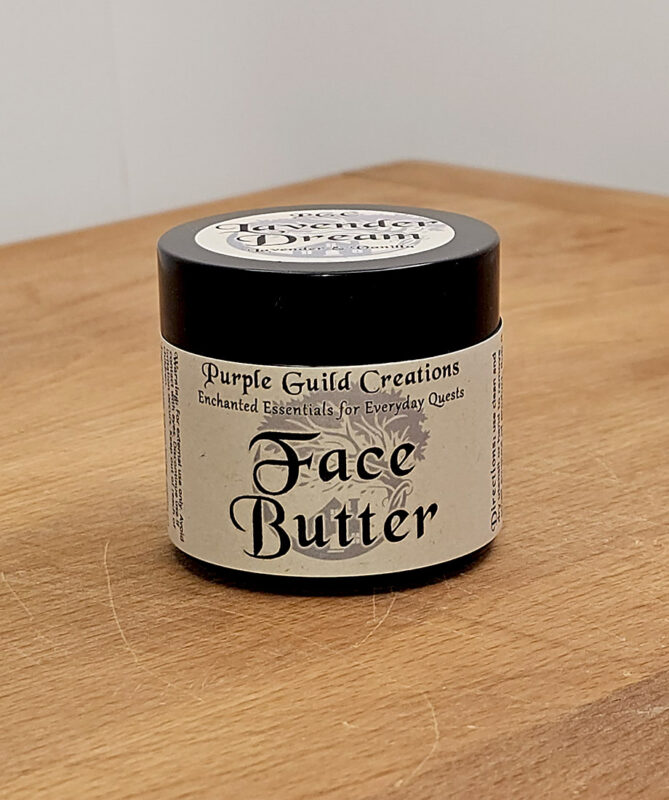
Lavender Dream Face Butter

Leave a Reply
You must be logged in to post a comment.