
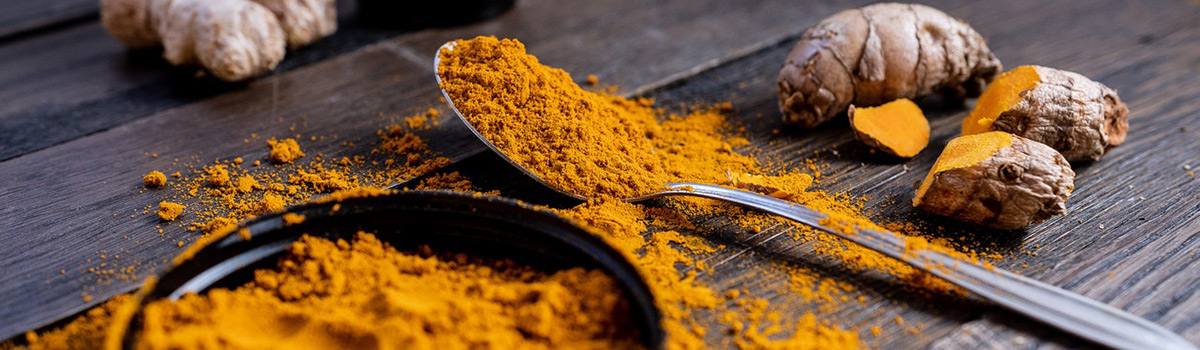
Friends, let us speak of turmeric, that golden spice from distant lands. This root, when dried and ground, yields a powder of vibrant yellow hue, much prized by healers and cooks alike.
In the lands of its origin, turmeric has long been valued for its medicinal properties. Learned scholars have begun to study its effects more closely. They speak of a compound called curcumin, which gives turmeric its yellow color and is thought to be the source of many of its benefits. It is said to ease stomach troubles, help ward off serious illness, and reduce bodily inflammation; particularly those with joint pains.
In the kitchen, turmeric is a treasure. It lends its rich color to many dishes, transforming simple fare into something grand. Clever cooks have been known to use it in place of the far costlier saffron. It forms the base of many spice blends, particularly in the cuisines of India and Southeast Asia; lending its color and earthy flavor to curries, rice dishes, and even drinks. Some folk add it to milk with honey and spices, creating a warming brew said to promote good health.
Merchants trade turmeric at high prices, for its value is well known. Those who control its trade between East and West may amass great wealth.
Yet be warned – turmeric’s power to stain is mighty. It can mark cloth and skin with a yellow that is not easily removed. As such, cloth merchants prize it for its ability to create a rich yellow hue in fabrics. However, its use in this manner is limited, as the color tends to fade with time and washing.
In matters of beauty, some claim that turmeric can improve the complexion when applied to the skin. Yet one must be cautious, for its staining properties can leave an unwanted yellow tinge if not used properly.

Leave a Reply
You must be logged in to post a comment.