

If you haven’t crossed paths with kokum butter before, consider this your gentle introduction.
This plant-based butter comes from the seeds of the kokum tree (Garcinia indica), native to India’s Western Ghats. Pressing those fruit kernels yields a firm, pale yellow-gray fat that’s solid at room temperature, yet it melts so smoothly on your skin it almost feels magical. Kokum butter is technically edible and occasionally used in confections like chocolates. However, most of us will encounter it in skincare rather than a recipe; where its firmness provides structure when blended it into cosmetic or topical formulas.
For external use, kokum butter shines as a non-greasy emollient. It absorbs readily into most skin types without clogging the pores and is safe of sensitive skin. A standout is its high content of stearic and oleic acids, which deliver deep hydration, help smooth the skin, and improve barrier function. It’s light yet rich, making it ideal for dry patches, lips, and even scalp and hair care.
And there’s traditional wisdom behind its use: in Ayurveda, kokum butter has been valued for skin healing; calming inflammation and supporting skin repair. In tandem, generational beauty traditions in India have long used kokum for its soothing and regenerative properties, especially on rough or irritated skin.
While mainstream research on kokum butter is limited, ingredients like vitamin E and its fatty acid profile offer scientifically supported benefits: antioxidants protect, fats hydrate, and the emollient nature supports softness and elasticity. Some small studies and anecdotal reports even suggest it helps with cracked heels when applied consistently. Plus it brings antioxidant perks (thanks to vitamin E and other compounds), helping to protect skin and fend off environmental stressors and early signs of aging.
Kokum butter can be used on its own or melted and mixed with lighter oils (like jojoba or almond) to make body butters, lip balms, or salves. Soap makers love it too because its stable nature helps form solid, long-lasting bars with creamy lather.
Kokum butter may not be as widely known as shea or cocoa butter, but that doesn’t diminish its potential. With its mighty fatty acids, antioxidant content, and traditional heritage, it offers a gentle, nourishing, non-greasy way to pamper your skin and hair. And yes, it’s technically edible, though most of us will savor its beauty benefits instead.
Kokum Butter Stats
Beneficial Compounds
| Compound | Benefit (internal) | Benefit (external) | Solubility |
|---|---|---|---|
| Garcinol |
(Not typically consumed)
|
Anti-inflammatory and antioxidant benefits
|
Alcohol/Fat
|
|
Linoleic acid
|
(Not typically consumed)
|
Helps retain moisture; may support acne-prone skin
|
Fat/Oil
|
|
Oleic acid
|
(Not typically consumed)
|
Moisturizes deeply; supports skin regeneration
|
Fat/Oil
|
| Palmitic acid | (Not typically consumed) | Supports skin barrier; moisturizes | Fat/Oil |
| Stearic acid | (Not typically consumed) | Emollient; softens and smooths skin | Fat/Oil |
| Vitamin E | (Not typically consumed) | Protects against environmental damage; anti-aging | Fat/Oil |
Kokum Butter Handicrafts
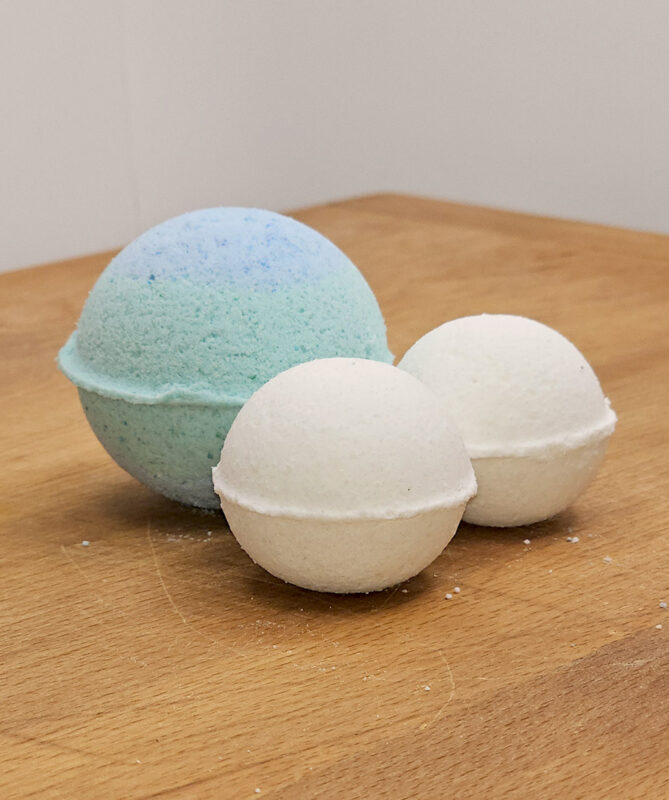
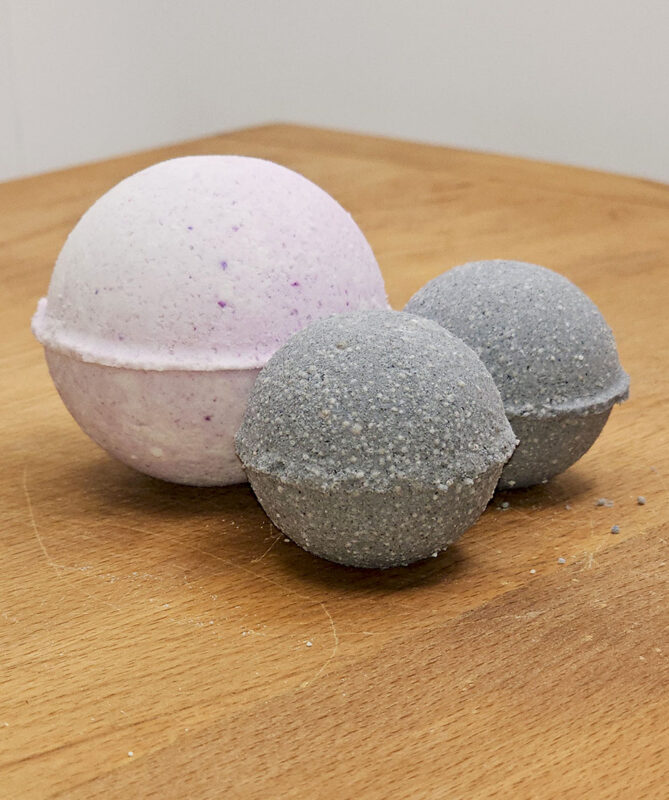
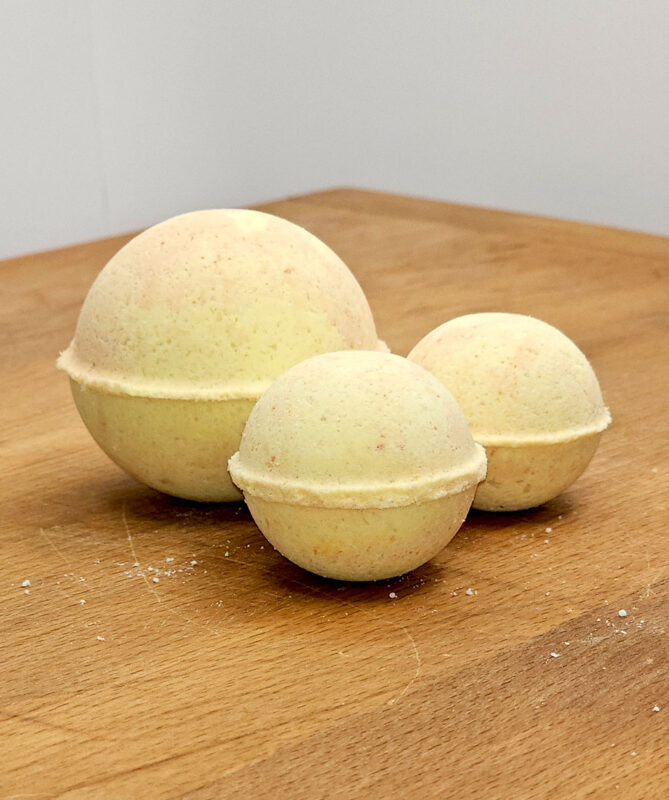
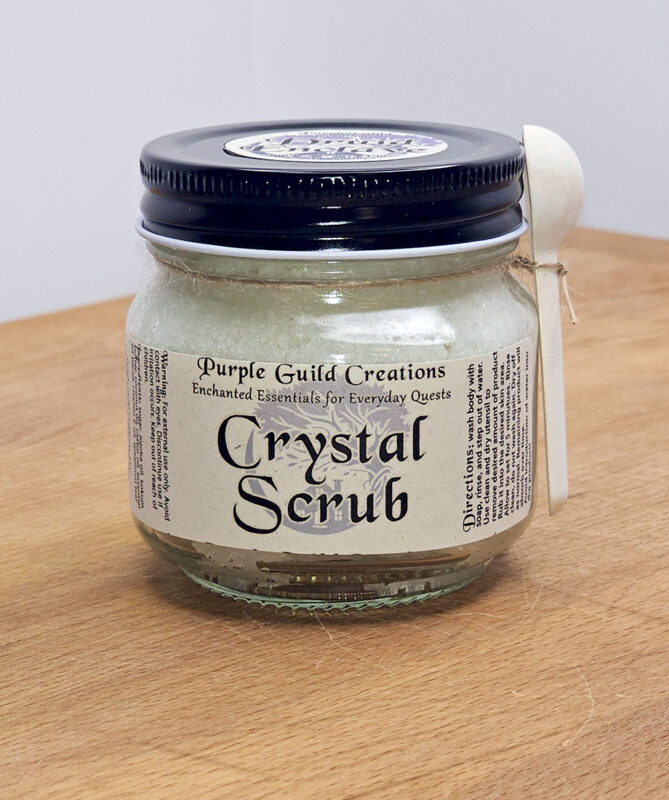
Please view our handicrafts with kokum butter.
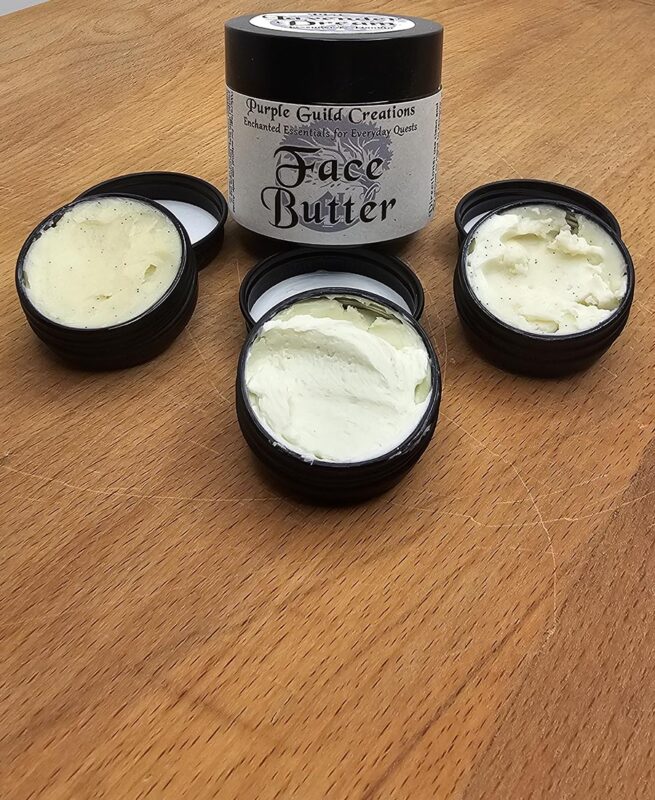
Face Butter Sample Set
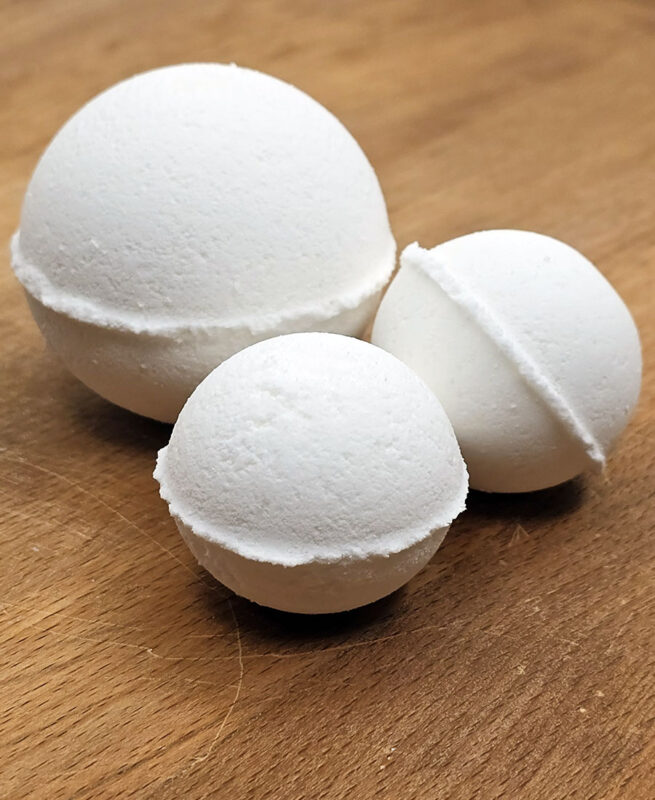
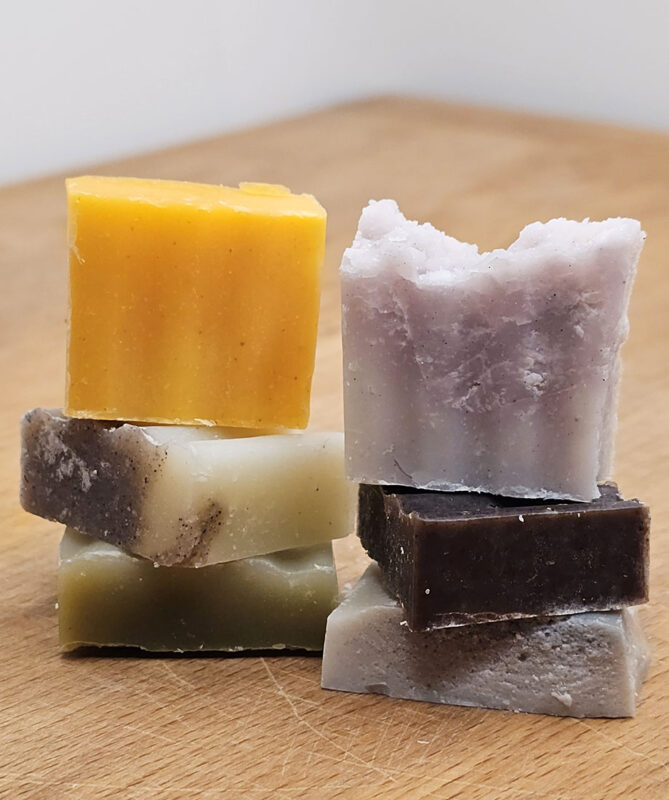
Body Soap Sample Set
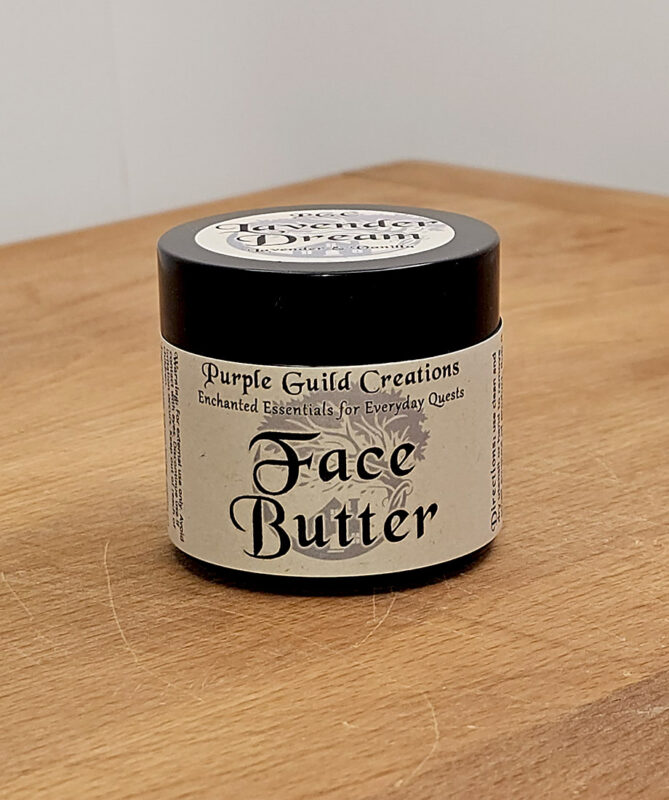
Lavender Dream Face Butter
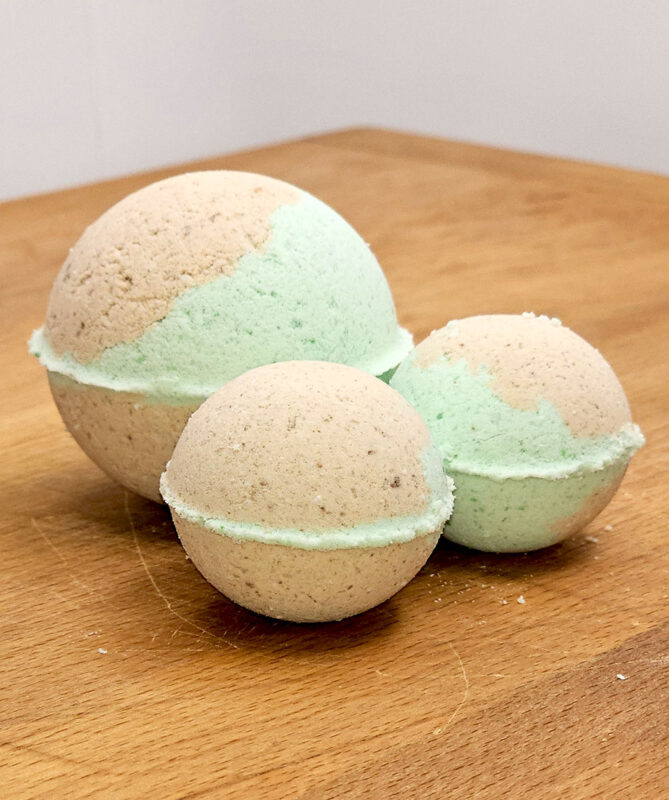
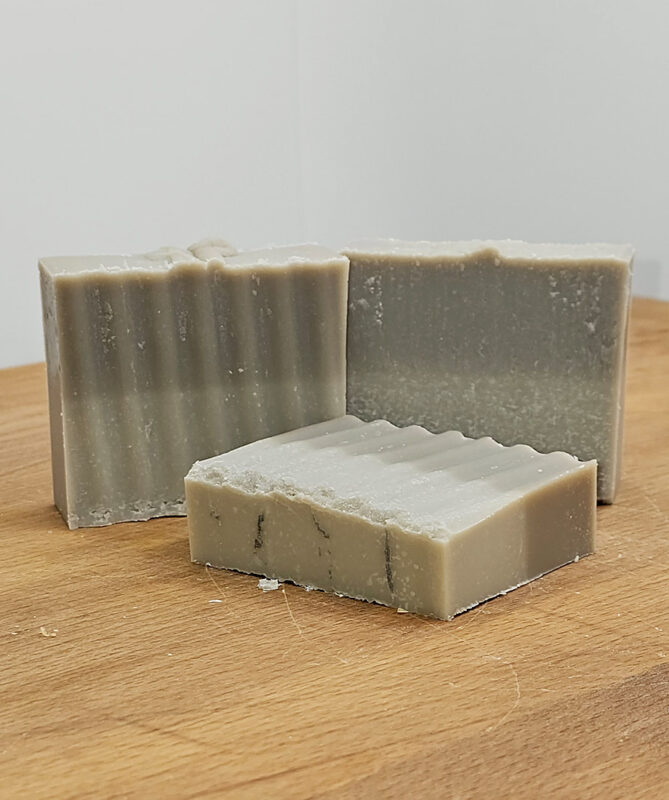
Dragon’s Nest Body Soap AC
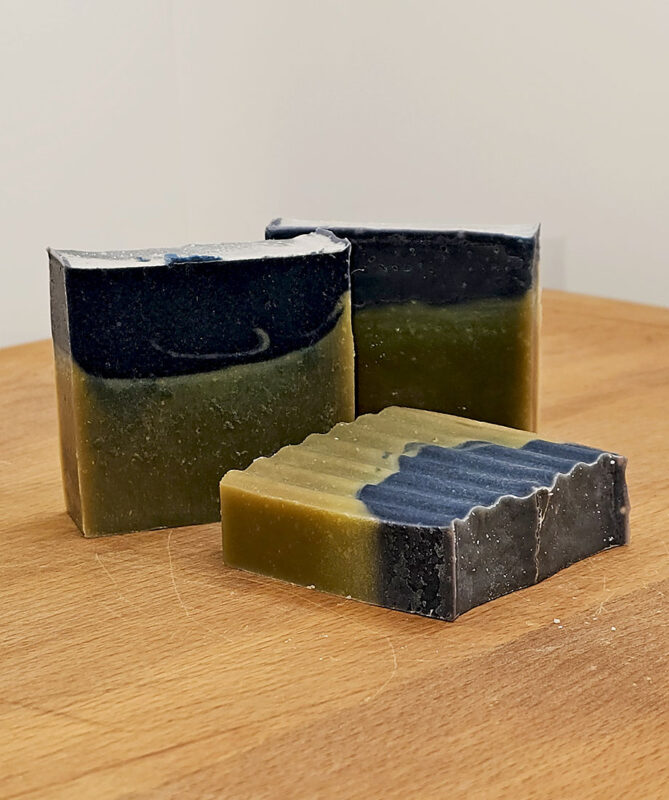
Peacock’s Whisper Body Soap AC
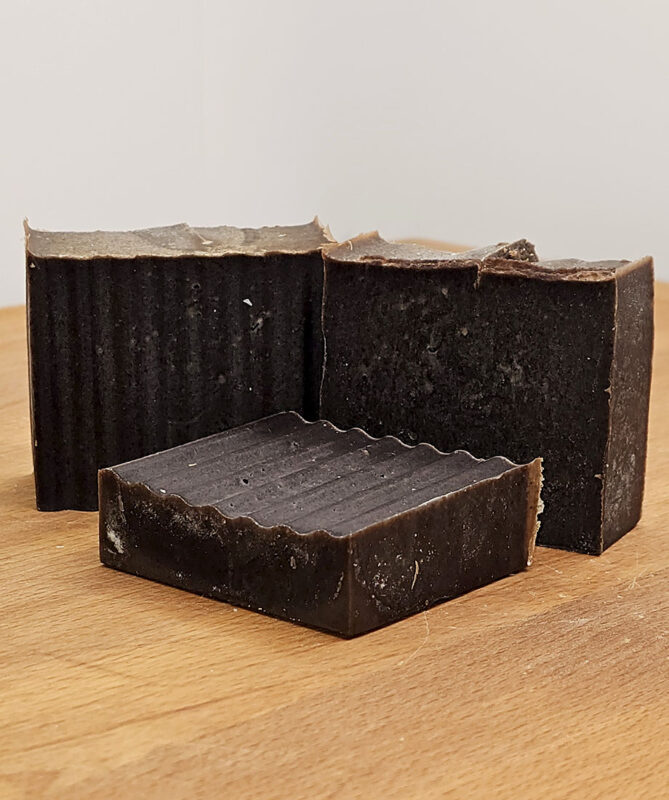
Moonlight Lullaby Body Soap AC
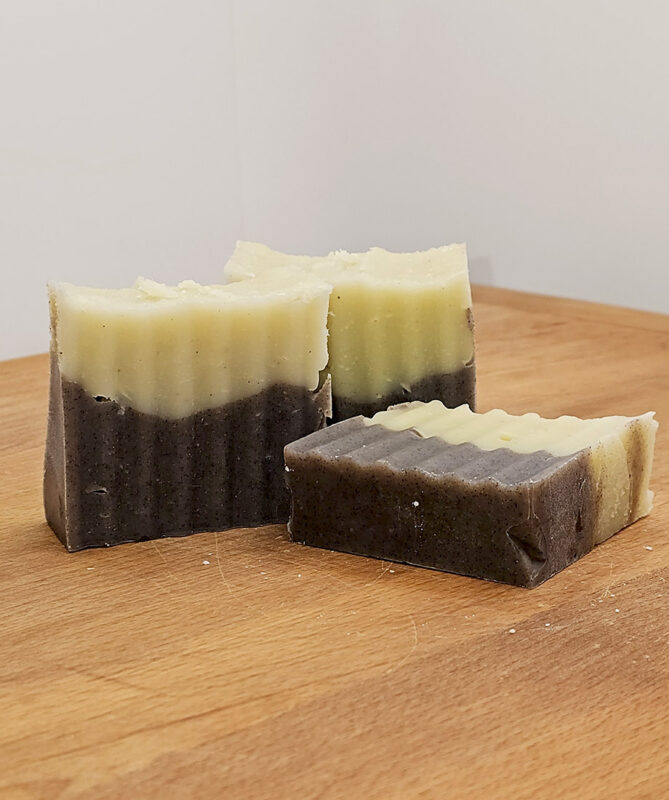
Druid’s Enclave Body Soap AC
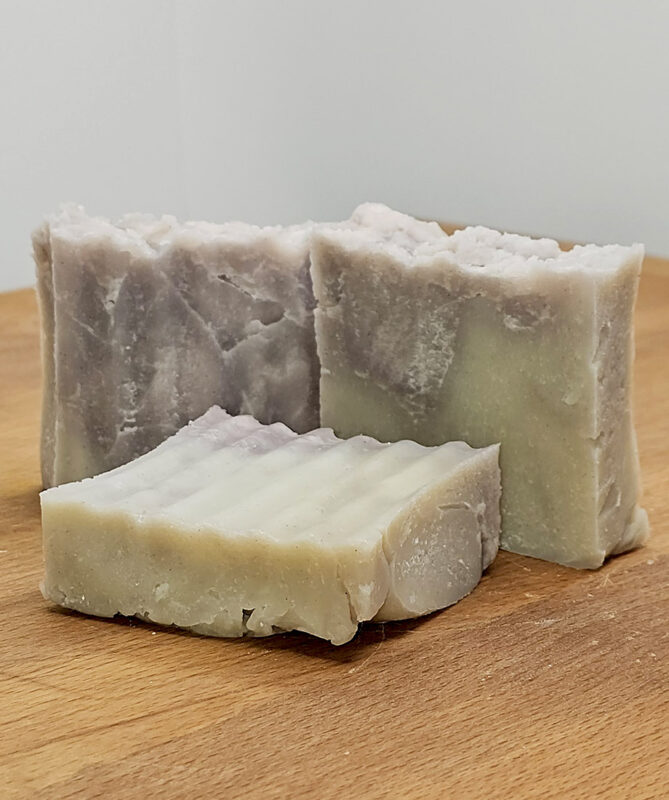
Arctic Blast Body Soap AC
Featured image credited to Ramnath Bhat. CC BY 2.0. Image enlarged and cropped for formatting.

Leave a Reply
You must be logged in to post a comment.